
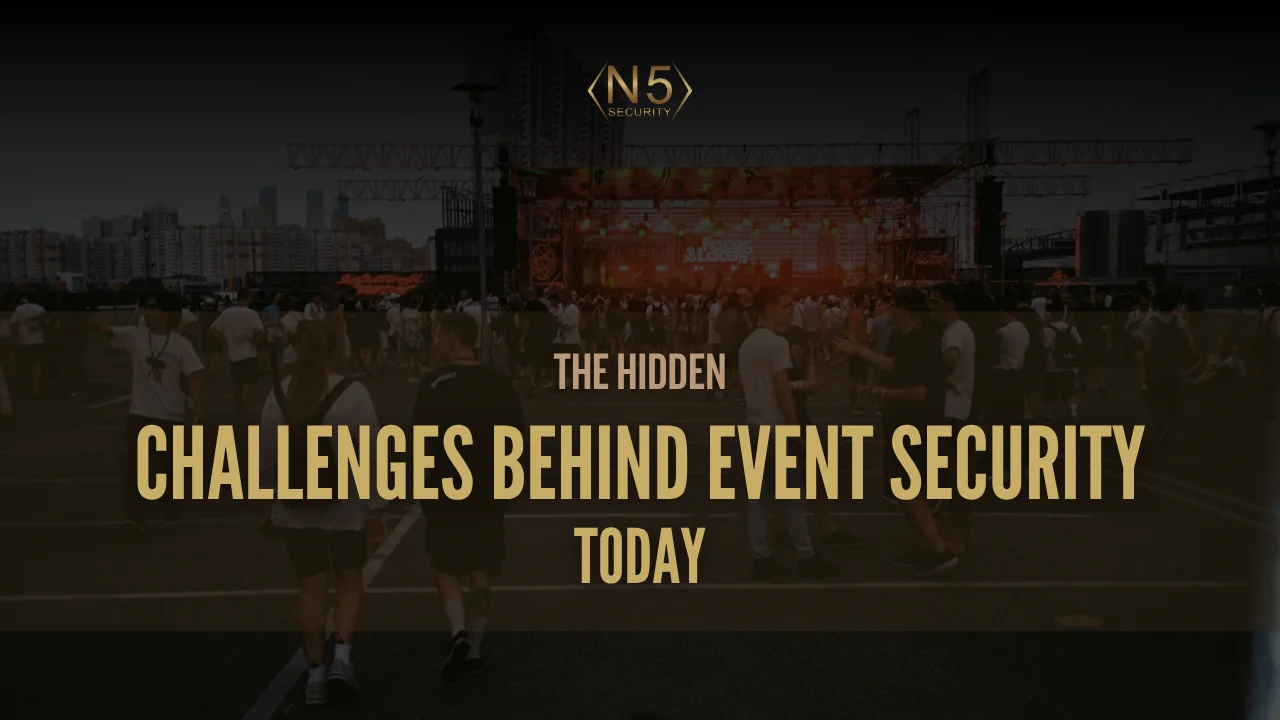
Event security has changed from just having bouncers and guards. Now, it involves handling complicated logistical, social, and technological challenges. Events like concerts, sports games, corporate meetings, and political rallies each come with unique security risks and require careful planning to ensure safety, freedom, reputation, and enjoyment.
Today’s events face more challenges than just basic safety. With rising expectations from attendees, stricter rules, and new threats, event security professionals have more complex roles. They must act as psychologists, tech experts, mediators, and crisis managers. Let’s explore the often-ignored challenges security professionals encounter in the current event landscape.
Whether you’re an event organiser, an attendee, or just worried about public safety, this overview will provide valuable insights.
From Risk to Reality: Understanding the Modern Threat Landscape
Today, event security is changing quickly. In the past, threats were mostly crowd fights or gatecrashers. Now, security teams have to deal with:
- Terrorism and violent extremism.
- Cybersecurity breaches targeting event infrastructure.
- Health-related threats like pandemics.
- Environmental hazards such as sudden weather events.
- Disinformation or fake alerts are spread via social media.
Each of these presents unique challenges. A stadium may need to check for drones, monitor digital ticketing for fraud, and enforce health guidelines all at once. Organisers also need to stay updated on global news to adjust plans quickly, sometimes just hours before an event.
Event security risks now go beyond physical harm. A data breach of ticket buyer information can harm a brand as much as a security failure. This wider range of threats means security teams must collaborate closely with IT departments, local authorities, health officials, and meteorologists.
The People Factor: Managing Unpredictable Crowd Behaviour
Crowd Control in Events
The crowd is a major factor in any event. People’s behaviour in large groups can be hard to predict. Good crowd control goes beyond just barriers and entry points. It also includes:
- Recognising how crowds behave and what they feel.
- Preparing for emotional triggers like controversial speakers, alcohol, or surprise announcements.
- Spotting risk areas that can create congestion.
- Using clear and calm messages to communicate with the crowd.
- Ensuring everyone, including people with disabilities, has easy access to exits.
If crowds are not managed well, situations can turn chaotic. That’s why event planners now work with behavioural experts to create layouts that promote safe movement and evacuation. Knowing how and why people move is crucial for safety.
Friendly stewards are important for preventing conflicts before they escalate. Technology like heat mapping and crowd density analysis helps improve crowd flow as well.
Technology: A Double-Edged Sword
Technology helps and challenges event security. Tools like facial recognition, surveillance drones, biometric scanning, and AI analytics improve safety, but they also bring up concerns.
Benefits:
- Real-time threat detection and response.
- Improved access control using biometric credentials.
- Enhanced communication among teams via encrypted channels.
- Data analytics to anticipate peak crowd movements.
Drawbacks:
- Privacy concerns among attendees, especially regarding surveillance.
- High costs and complex implementation.
- Risk of over-reliance on automated systems.
- Potential technical failures or cyberattacks that could paralyse operations.
Event safety planning must include physical security and cybersecurity measures. It should also have policies for ethical data use, follow GDPR rules, and prepare for technology failures.
With the rise of facial recognition technology, organisers need to find a balance between ensuring safety and respecting people’s rights.
Planning for the Unplannable: Emergency Preparedness
Many events are criticised not because things went wrong, but because there was no proper plan to handle problems when they occurred. Emergencies can include power outages, active shooter situations, medical issues, severe weather, or unexpected protests.
Every event security team should plan for:
- Different emergency situations, practised and prepared.
- Clear, marked evacuation routes for different groups of attendees.
- On-site medical teams with specific areas for treatment.
- Coordination with local police, firefighters, and ambulance services.
- Regular practise drills and simulations before the event.
The challenge is that each venue is different. Outdoor festivals, indoor arenas, and city parades all have their own risks that need to be examined closely. Organisers must also think about other potential dangers, like stampedes during evacuations or access for disabled individuals during emergencies.
Event Type Matters: Customising Security for Different Audiences
Security for a corporate seminar is very different from security for a music festival. Each event attracts different people, behaviours, and risks. So, using the same security plan for all events doesn’t work.
Consider these examples:
- Music Festivals: Risks include drug use, crowd surges, aggressive behaviour from alcohol, and stage diving.
- Political Rallies: Risks involve protests, counter-protests, fights, and possible attacks.
- Marathons: Risks include health issues for participants, hydration problems, and managing the event area.
- Product Launches: Risks are lower, but brand reputation is crucial; mistakes on social media can spread quickly.
To keep everyone safe, we need tailored strategies. Specialists like N5 Security provide specific solutions, such as security for events in Romford and large events in London. Their customised approach ensures effective planning for any situation.
Coordination Chaos: Multiple Stakeholders, One Goal
Events often require coordination among many players:
- Private security teams
- Event organisers
- Local councils and licencing authorities
- Law enforcement
- Medical and first-aid teams
- Vendors and third-party contractors
The challenge? Making sure everyone communicates clearly, knows their roles, and shares the same goals. Miscommunication can cause gaps in coverage, repeated work, or conflicting reactions to incidents.
A successful event safety plan must:
- Clearly define roles and responsibilities.
- Create a single chain of command during emergencies.
- Include scheduled briefings before, during, and after the event.
- Utilise unified communication platforms to avoid information silos.
- Establish contingency hierarchies in case of key personnel absence.
Good coordination is often unnoticed by attendees. However, poor coordination can cause serious problems. That’s why experienced security providers like N5 Security emphasise briefing protocols and teamwork in planning.
Balancing Safety and Experience
No one wants to go to an event that feels like a fortress, but safety is important. The challenge is to balance security with a friendly atmosphere.
Too much security can make guests feel uneasy, while too little can risk their safety. Modern event planners use:
- Undercover security in plain clothes to stay discreet.
- Stewards who guide attendees instead of just watching over them.
- Hidden cameras and noise sensors for subtle monitoring.
- Behavioural scanning to spot signs of distress.
Companies like N5 Security, which provides event security in Romford, understand the need for a welcoming environment while ensuring safety. Their stewards are trained in both safety and hospitality to create a sense of security and comfort for guests.
Regulatory Compliance and Insurance Hurdles
Events today must comply with a range of UK and local regulations:
- Licencing laws from local authorities.
- Health and safety mandates (e.g., HSE standards).
- Fire safety and crowd capacity limits.
- Accessibility and inclusion requirements.
Not meeting these requirements can result in fines, cancelled events, or legal issues. Also, getting the right insurance can be tricky, especially after the pandemic. Insurance companies now require:
- Detailed risk assessments.
- Documented mitigation plans.
- Professional event safety planning.
- Verification of security staff credentials and training.
N5 Security and other companies make the security process easier by meeting all regulations and providing support for insurance compliance. Their proactive methods help lower client risks and increase confidence among sponsors and stakeholders.
Post-Event Security and Reputation Management
Once the event ends, the security mission isn’t over. Post-event responsibilities include:
- Crowd dispersal management to prevent bottlenecks.
- Lost property handling and theft investigation.
- Dealing with post-event complaints or incidents.
- Analysis of security logs and reports.
- Internal review to improve future protocols.
In today’s world of social media, one video can damage the reputation of the event organiser and security provider. To enhance future events and protect reputations, it’s crucial to hold a clear debrief and review the incident.
N5 Security offers complete event security services in the UK, including post-event evaluations, clear reporting, and improvement suggestions. Their post-event packages are just as important as their on-site services.
Facing the Hidden Challenges Head-On
Event security today requires foresight, coordination, flexibility, and technology. It’s not just about stopping trouble at the entrance. It’s about predicting issues, adjusting to changes quickly, and ensuring both safety and enjoyment.
Whether you’re hosting a large festival, a business seminar, or a private party, choosing the right security partner is vital. At N5 Security, we partner with clients across the UK to provide organised, professional protection that keeps everyone safe and events running smoothly. From big gatherings to smaller events, our team manages everything like access control and crowd support so you can focus on hosting a great event while we take care of the details.