


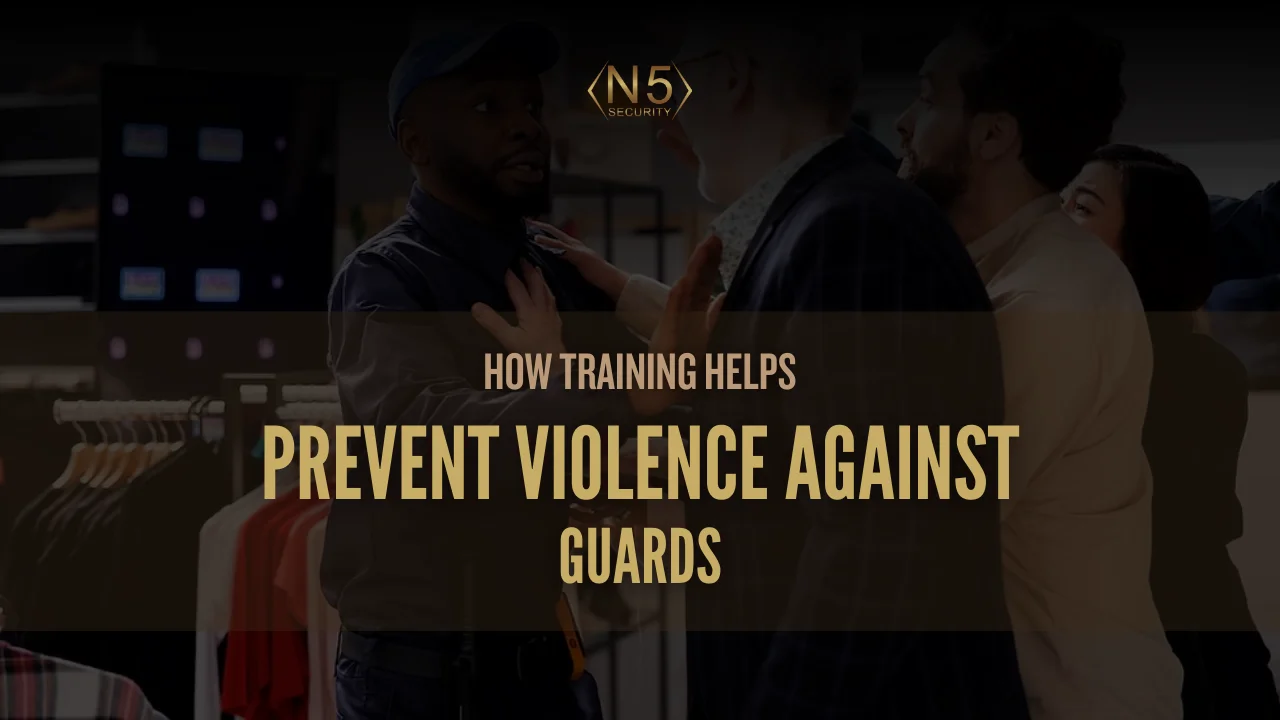
Security guards in the UK are crucial for keeping businesses and public spaces safe. They work in places like stores, offices, construction sites, and events, ensuring order and preventing problems. Recently, however, there has been more concern about rising aggression and violence directed at security staff.
Security guards often encounter frustrated, drunk, or rule-breaking individuals. They are usually the first to respond when issues arise, making them vulnerable to verbal abuse, threats, and sometimes violence. This makes security one of the toughest jobs on the frontlines in the UK.
One effective way to reduce these risks is through professional training. Programs in conflict management help security guards learn how to spot risks early, communicate calmly, and defuse tense situations.
When organisations invest in security training, they do more than boost skills. They create safer environments for all employees, customers, and guards. Proper training helps security teams handle tough situations confidently and professionally, lowering the chances of violence.
Understanding the Real Causes of Conflict in Security Work
Security professionals often work in high-tension environments. They respond to situations like shoplifting, access disputes at corporate buildings, and crowd management at events, facing unpredictable challenges.
Many confrontations happen because people feel embarrassed or threatened by security staff. For example, when a guard asks someone to leave a restricted area or questions suspicious behaviour, it can provoke a negative reaction. If the guard handles the situation poorly, a simple check can escalate into a confrontation.
This is why training is crucial. De-escalation training teaches guards to spot early signs of aggression, such as raised voices, defensive body language, non-cooperation, or signs of intoxication.
By recognising these behaviours early, guards can adjust their approach to prevent escalation. Instead of being confrontational, trained security professionals use calm language, respectful communication, and clear instructions. This helps reduce hostility and maintain control.
Often, the difference between a calm interaction and a violent one lies in how the first moments of the situation are managed.
The Role of Professional Training in Modern Security
The role of a security guard has changed a lot in the last ten years. Today, security services require more than just standing at a door or watching cameras. Guards now need to be alert, communicate well, understand laws, and solve problems.
Because of this, thorough safety training for guards is essential. Training programs give guards practical tools to handle tough situations safely and professionally.
Many courses include role-playing exercises where guards practise responding to aggressive people, managing disputes, and dealing with stress. These activities prepare them for real-life situations.
Moreover, this training often leads to recognised industry qualifications linked to SIA training in the UK. These standards ensure guards meet national requirements for skills and professionalism.
By learning these skills, security professionals can better protect themselves and keep others safe.
Conflict Management Training: The First Line of Protection
Conflict management training for security guards is crucial. These programs aim to prevent disagreements from turning into dangerous situations.
This training teaches guards to understand human behaviour during tense encounters. Instead of reacting emotionally, they learn structured communication techniques that help them stay calm and in control.
Participants gain practical strategies to prevent violence. They learn to recognise early signs of aggression, keep a safe distance during interactions, and position themselves to avoid physical confrontations.
Key elements of conflict management training include:
- Identifying warning signs in behaviour
- Controlling tone of voice and body language
- Maintaining professional communication
- Understanding personal safety positioning
- Knowing when to step back and get help
Through practise, guards build confidence in managing tough situations effectively. They learn to resolve issues through communication rather than physical force.
For organisations providing Security Services in London, investing in this training is a smart way to protect both staff and the public.
De Escalation Techniques That Stop Violence Before It Starts
Preventing violence starts with calming tense situations quickly. De-escalation training for UK security teaches guards how to resolve conflicts before they become dangerous.
De-escalation techniques focus on clear communication, empathy, and being aware of the situation. Trained guards use calm and respectful language to lower hostility instead of reacting defensively.
Active listening is a key part of de-escalation. When people feel heard, they are less likely to react aggressively. Guards learn to acknowledge feelings while keeping control of the situation.
Important techniques include using a neutral tone, keeping open body language, and avoiding confrontational words.
Common de-escalation strategies are:
- Acknowledging concerns
- Speaking slowly and calmly
- Avoiding aggressive gestures
- Offering solutions instead of ultimatums
- Giving space for individuals to calm down
When used correctly, these techniques can turn tense situations into manageable conversations.
Why SIA Training Sets the Standard for UK Security
The Security Industry Authority (SIA) is vital for maintaining high standards in the UK security industry. It requires licences and professional qualifications, so security guards must meet strict skill levels before they start working.
One key benefit of SIA training is structured education in conflict management, safety procedures, and legal duties. Guards learn their authority under UK law, including how to handle incidents and when to call law enforcement.
SIA-approved training courses cover important topics like communication skills, emergency response, conflict resolution, and public safety awareness.
Common subjects in SIA training include:
- Conflict management techniques
- Emergency procedures
- Physical intervention awareness
- Communication and customer service
- Risk awareness and reporting
These programs build the groundwork for effective security training, ensuring guards have the knowledge and skills to do their jobs responsibly.
Training Builds Confidence and Professional Authority
Confidence is a key trait for security guards. Guards who lack confidence may seem weak, which can provoke aggressive behaviour.
Regular safety training helps guards learn how to handle tough situations. This training helps them stay calm, make good decisions, and keep control during conflicts.
When guards are confident and communicate well, the public is more likely to cooperate and respect them.
Well-trained security staff boost the reputation of a London Security Company. Professional behaviour shows that the company values safety and quality service.
Safer Retail Environments Through Skilled Security Staff
Retail locations are very busy for security guards. High customer numbers, shoplifting, and disputes can create stress.
Guards in retail need to balance enforcing safety with providing good customer service. Aggressive actions can worsen situations, especially with customers.
When guards get training in conflict management, they learn to handle suspected shoplifters and disputes calmly.
Many businesses in London choose security guards with strong communication and conflict resolution skills. These trained professionals help keep a friendly environment while protecting staff, customers, and store property.
Corporate Security Requires Advanced Communication Skills
Corporate environments have unique security challenges. Guards in office buildings interact daily with employees, visitors, contractors, and delivery drivers.
These settings need a professional approach that combines security skills and strong communication. Guards must enforce building rules while being friendly and approachable.
Through de-escalation training, security guards learn to handle disputes, manage difficult visitors, and resolve misunderstandings without causing conflict. Security teams in London rely on these communication skills to keep workplaces calm and orderly.
Creating a Culture of Safety Across the Security Industry
Training benefits not just individual guards but the entire security industry by creating consistent professional standards.
Security companies in the UK see the importance of continuous professional development. Ongoing training keeps guards updated on safety procedures, communication skills, and industry rules.
Companies in London invest in training programs to promote a culture of safety, professionalism, and respect.
By supporting ongoing safety training for guards, organisations show their commitment to employee wellbeing and protecting the public.
Why Businesses Should Invest in Professionally Trained Security
For businesses, hiring trained security professionals goes beyond just stopping theft or watching property. Skilled guards help manage risks and ensure workplace safety.
Security pros with conflict resolution skills can stop problems that might cause injuries, damage, or legal issues.
Businesses gain from trained security teams in many ways:
- Lowering the chances of violence
- Enhancing customer and visitor experiences
- Protecting employees and property
- Keeping order during emergencies
- Supporting smooth business operations
Organisations that work with a trusted London Security Company get trained experts who know how to handle tough situations safely.
The Future of Security: Skills Over Force
The security industry is changing as people expect more safety and professionalism. Today’s security strategies focus on prevention, communication, and awareness instead of conflict.
Training programs that teach security guards how to manage conflicts and de-escalate situations are crucial for keeping frontline staff safe.
As security threats and environments become more complex, guards should use intelligence and communication instead of physical strength. This helps protect security personnel and strengthens their relationships with the public.
Investing in proper training can reduce violence against guards and create safer workplaces and communities in the UK.